Retirement isn’t about slowing down; it’s about finally having the freedom to spend your days how you want. Of course, finding the right senior living community also means understanding how you’ll pay for it. During your research, you’ve probably come across terms like “buy-in,” “entrance fee,” and “maintenance fee.” Sometimes it can feel like learning a whole new language.
We’re here to be your translator! In this guide, we’ll break down the differences between senior living buy-in vs monthly rent, explain the various contract types, and help you understand which option is the best fit for your finances and future.
NOTE: The pricing and contract information in this blog are subject to change and are for informational purposes only. For professional advice, consult your financial advisor or attorney.

What is the Cost of a Retirement Community?
The cost of retirement living varies from place to place. In 2026, the average monthly cost of independent living in Pennsylvania is $3,500, with entrance fees ranging anywhere from $90,000 to over $500,000. At first glance, that can seem like a big investment. But once you understand how pricing works (and what’s included), it starts to make a lot more sense.
While the cost of a retirement community might seem high, the cost of staying in your home could be even higher. As the years go by, expenses can add up, including:
- The cost of home modifications: Adding accessibility features as you age—like wider doorways, ramps, and grab bars—can get expensive.
- The cost of home maintenance: Lawn care, housekeeping, snow removal, and repairs all take time and money.
- The cost of health aids: Staying in your home means you might need in-home healthcare, which is a pricey option.
Now compare that to life at Woodcrest Villa and the benefits of living in a retirement community! And trust us—there are plenty.
Instead of spending your weekends coordinating repairs or mowing the lawn, you can spend them swimming in the indoor pool, hiking our nature trail, challenging friends to pickleball, catching a movie, or discovering a new hobby in the wood shop. With chef-prepared dining, maintenance-free living, and a full calendar of events, every day feels like a vacation instead of another to-do list.
The cost of a retirement community isn’t just about paying for a place to live. It’s about investing in a lifestyle that’s easier, more social, and filled with opportunities to enjoy this next chapter.
What Determines the Price of a Retirement Community?
- Type of community: Continuing care retirement communities (CCRCs) typically cost more than standard senior apartments because they offer multiple levels of care as your needs change.
- Healthcare options: Independent living is usually the most affordable option. As your healthcare needs change, assisted living, skilled nursing, or rehabilitation services are available on a fee-for-service basis.
- Amenities and lifestyle: A community with resort-style amenities, dining venues, fitness facilities, and a full social calendar may come with a higher price tag, but it also offers more opportunities to enjoy every day.
- Housing style: Larger homes and more spacious floor plans cost more than smaller ones. That’s why many folks find that downsizing to a cozy one-bedroom apartment is a smart way to save money without sacrificing comfort.
- Location: Some states are more expensive than others—we’re looking at you, California!—so be mindful of this when you decide to move.
- Personal preferences: The number of people in your unit, your meal plan, and other factors can also increase the total cost.
Get a Sneak Peek at Our Housing Prices
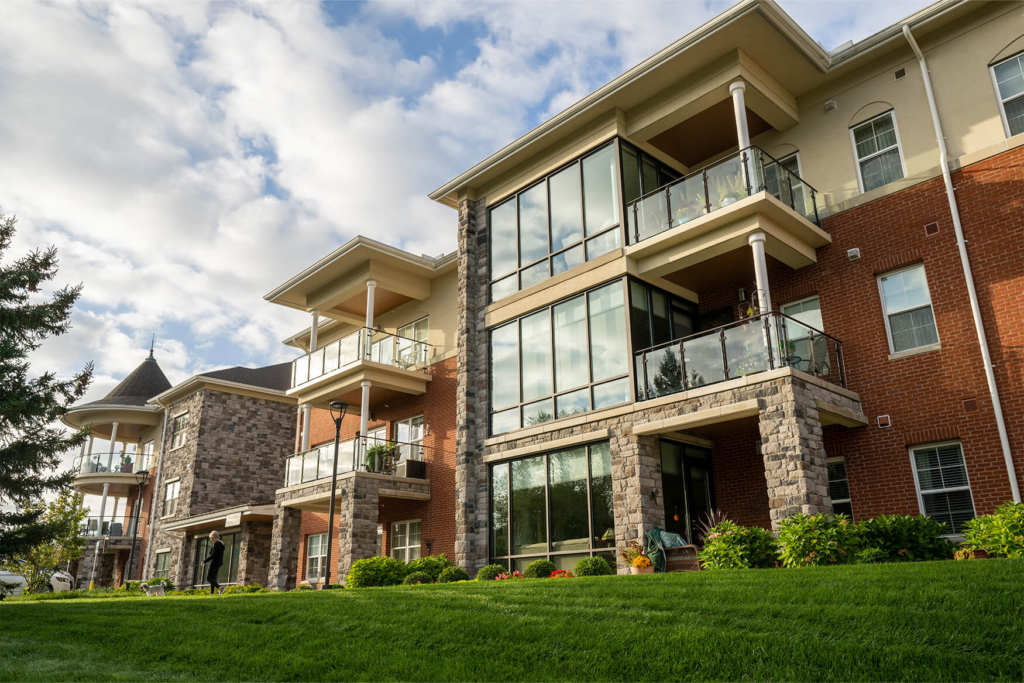
Types of Pricing Plans: Senior Living Buy-In vs Monthly Rent
One of the biggest questions people ask is, “How do retirement communities work?” It’s a fair question. Between different contracts, pricing plans, and finance terms, there’s a lot to sort through.
Before we compare senior living buy-in vs monthly rent, let’s define a few common terms you’ll see along the way.
- Entrance fee/buy-in: A one-time upfront payment that secures your home in a CCRC. Depending on the contract, it may also guarantee your future healthcare needs are covered. In some cases, this money is partly refundable.
- Monthly rent: A recurring monthly payment to live in rented senior housing.
- Maintenance/community fee: A monthly fee that goes towards grounds maintenance, utilities, security, transportation, amenity access, and other additional perks.
- Equity purchase: Buying your unit or holding a co-op share, allowing you to build equity rather than pay an entrance fee.
Your contract determines how much you pay upfront, your monthly costs, and what healthcare services are included. Here are the most common retirement living contract types:
- Type A: Life Care Contract — Higher entrance fee and monthly maintenance fees with comprehensive healthcare coverage.
- Type B: Modified Life Care Contract — Moderate entrance fee and monthly maintenance fees with limited healthcare coverage.
- Type C: Fee-For-Service — Lowest entrance fee and monthly maintenance fees with healthcare services paid for as they are needed.
- Rental Contract — Higher monthly rent but no entrance fee or healthcare coverage.
- Equity Contract — Price to purchase your home or equity share, plus ongoing community fees.
A Buy-In Community
A buy-in retirement community is all about planning ahead and creating a future where you can enjoy every chapter of retirement with confidence. These communities typically offer Type A, B, or C contracts designed to help residents age in place by providing access to different levels of care if needed.
The “buy-in” refers to the entrance fee that you pay when you move in. Think of it as an investment in your future: it helps secure your place in the community and can reduce the cost of healthcare services later on. Depending on the community and contract type, a portion of that entrance fee may also be refundable when you leave.
When comparing senior living buy-in vs monthly rent, it’s important to look beyond today’s costs. Consider your current health, your future goals, and the kind of lifestyle you want to enjoy for years to come.
And remember: not all CCRCs work the same way. Some use rental models, others use buy-in contracts, and some offer both! At Woodcrest Villa, we’re a buy-in retirement community offering Type C contracts. Residents pay an entrance fee along with monthly maintenance fees, giving them access to a vibrant independent living lifestyle in Lancaster, PA, with additional support available if their needs change in the future.
SENIOR LIVING BUY-IN BENEFITS
- Healthcare when you need it
- For Type A and B contracts, healthcare comes at a discount
- Portion of entrance fee is often refundable and tax deductible
SENIOR LIVING BUY-IN DRAWBACKS
- Requires an upfront investment
- With Type A contracts, you might pay for care you don’t use
- With Types B and C contracts, long-term healthcare costs can add up
BEST FOR: Active folks who want to invest in their future healthcare and have the assets to pay for an entrance fee.
A Rental Community
A rental retirement community offers a more flexible approach to senior living. Instead of paying an entrance fee, residents typically sign a lease agreement, often month-to-month. Some communities may require a security deposit, but it’s usually much smaller than a buy-in, and it may be refundable.
Your monthly rent typically covers your apartment, maintenance, and community amenities. It’s also a nice way to “try before you buy” and experience the perks of senior living before making a long-term commitment. When you move out, you typically won’t receive any money back beyond a refundable security deposit.
When it comes to healthcare, these models offer a pay-as-you-go approach. You’ll pay market rates for any services you use, and your options may be more limited than a buy-in community. This means you won’t receive the same long-term financial benefits or guarantees.
At Woodcrest Villa, we understand that retirement looks different for everyone. That’s why we have rental options, too! However, many residents choose our buy-in model because it provides added peace of mind for the future.
SENIOR LIVING RENTAL BENEFITS
- Avoids entrance fee
- Provides flexibility with a lower commitment
- Maintenance is handled, and you still get the social benefits of living in a retirement community
SENIOR LIVING RENTAL DRAWBACKS
- Higher monthly costs than buy-in communities
- Care services are paid separately at market rates, which can add up quickly
BEST FOR: Those who prioritize flexibility, don’t want to spend the money on a large entrance fee, and don’t think they’ll need extensive healthcare in the future.
How Much Does it Cost to Live at Woodcrest Villa?
At Woodcrest Villa, the total cost includes your entrance fee and monthly maintenance fees. These numbers are based on your floor plan, the number of residents in your unit, and your meal plan (for apartment living).
The monthly fee helps keep our 130-acre campus looking beautiful and makes daily life a little easier by covering essentials like landscaping, utilities, WiFi, trash and snow removal, cable television, 24/7 security, campus amenities, and more.
The entrance fee is much more than just a real estate transaction. This fee secures your spot at Woodcrest Villa and gives you access to a full continuum of care through Trillium Place, our care campus (pending availability).
Choosing senior living buy-in vs monthly rent is just the beginning. You also need to pick which specific housing style you like best. From spacious apartments to charming villas, Woodcrest Villa offers a variety of living options designed to improve your life.
Below is an overview of the 2026 costs for our apartments and villas.
Apartments
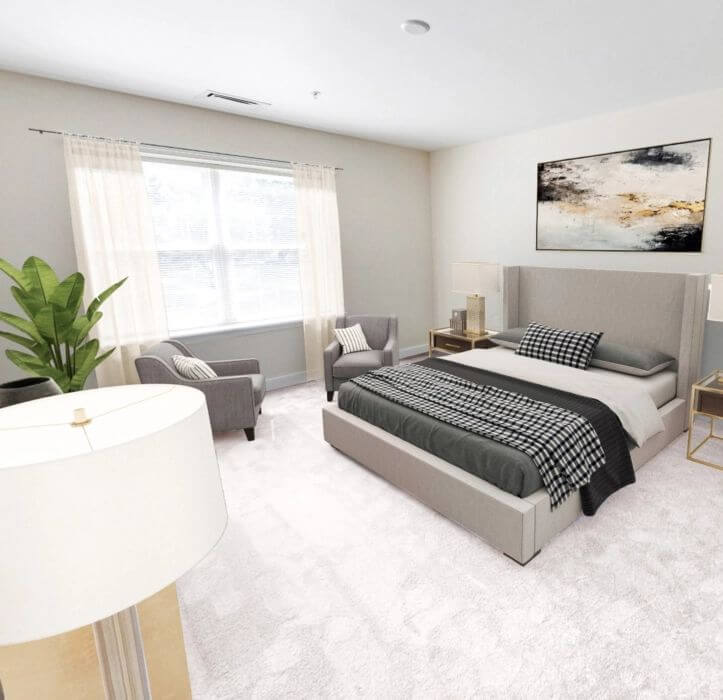
Studio Apartment
- Entrance fee starting at: $69,700
- Monthly fee starting at: $1,906
- Square feet: 400
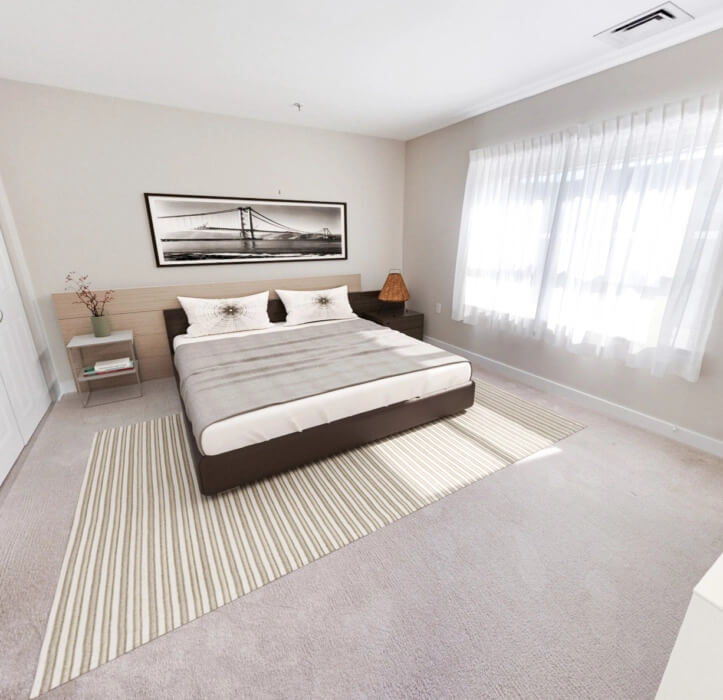
Deluxe Studio Apartment
- Entrance fee starting at: $97,200
- Monthly fee starting at: $1,933
- Square feet: 500
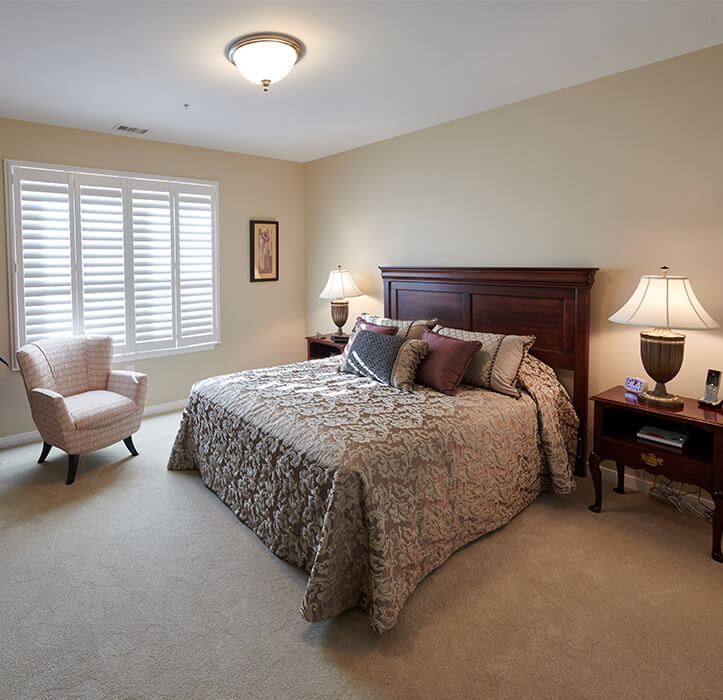
One-Bedroom Apartment
- Entrance fee starting at: $158,600
- Monthly fee starting at: $2,238
- Square feet: 650–1,000
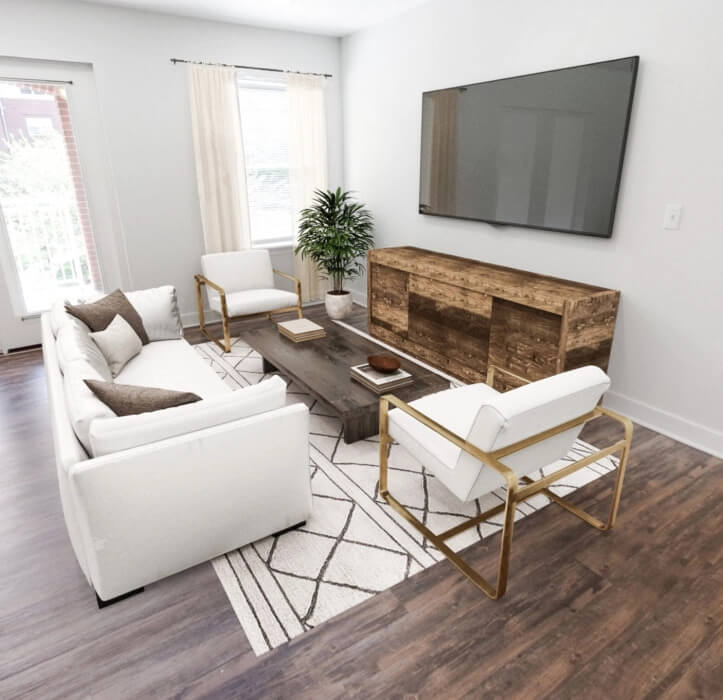
One-Bedroom Apartment With a Den
- Entrance fee starting at: $191,900
- Monthly fee starting at: $2,327
- Square feet: 850–1,250
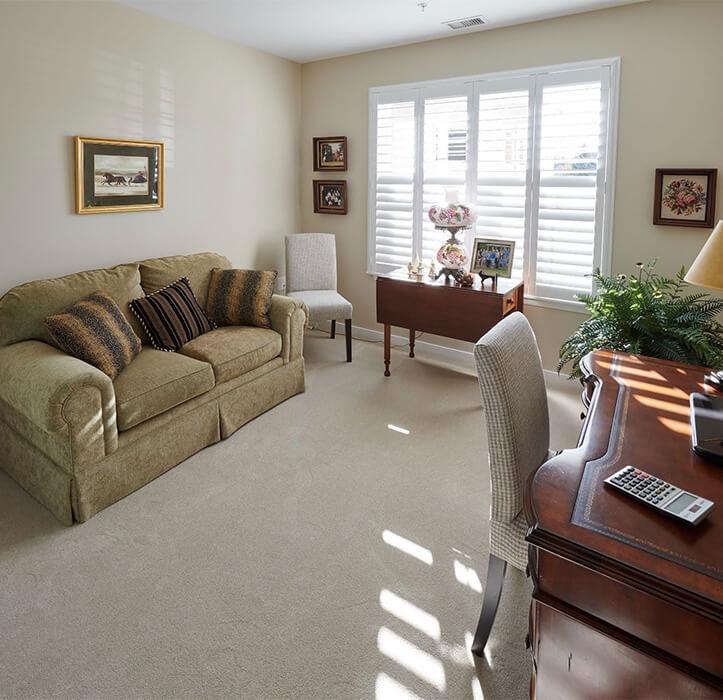
Two-Bedroom Apartment
- Entrance fee starting at: $231,900
- Monthly fee starting at: $2,662
- Square feet: 900–1,670
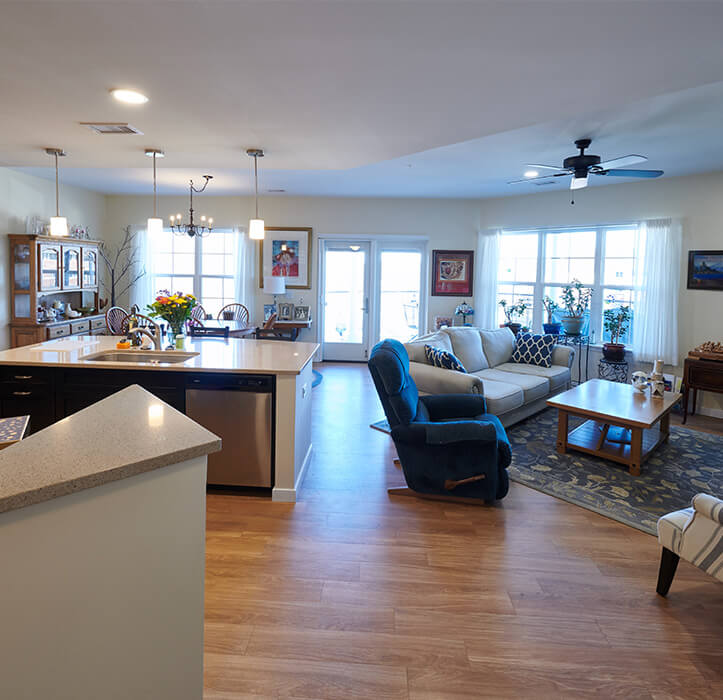
Two-Bedroom Apartment With a Den
- Entrance fee starting at: $430,000
- Monthly fee starting at: $4,109
- Square feet: 1,630–1,900
Villas
The Allegheny (2 Bedroom)
- Entrance fee starting at: $355,200
- Monthly fee starting at: $2,562
- Square feet: 1,549 (approx.)
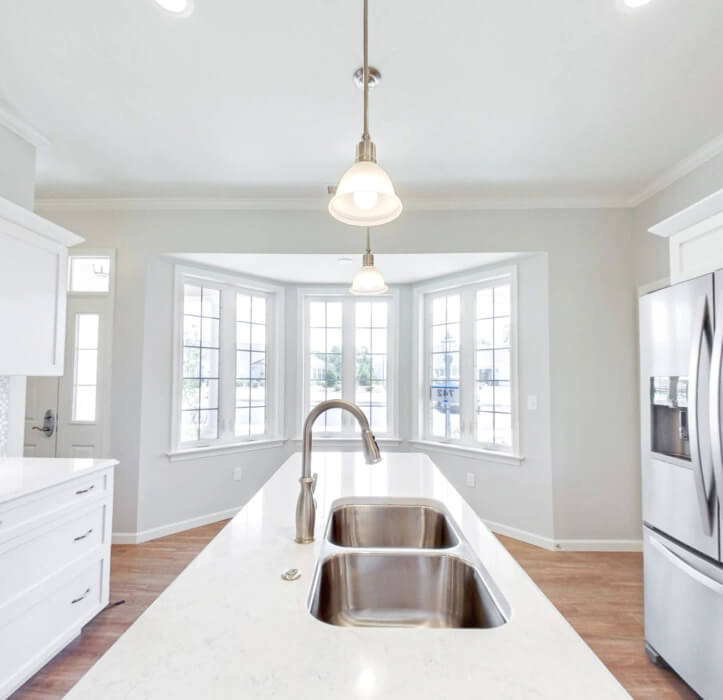
The Dauphin (2 Bedroom)
- Entrance fee starting at: $389,200
- Monthly fee starting at: $2,676
- Square feet: 1,623 (approx.)
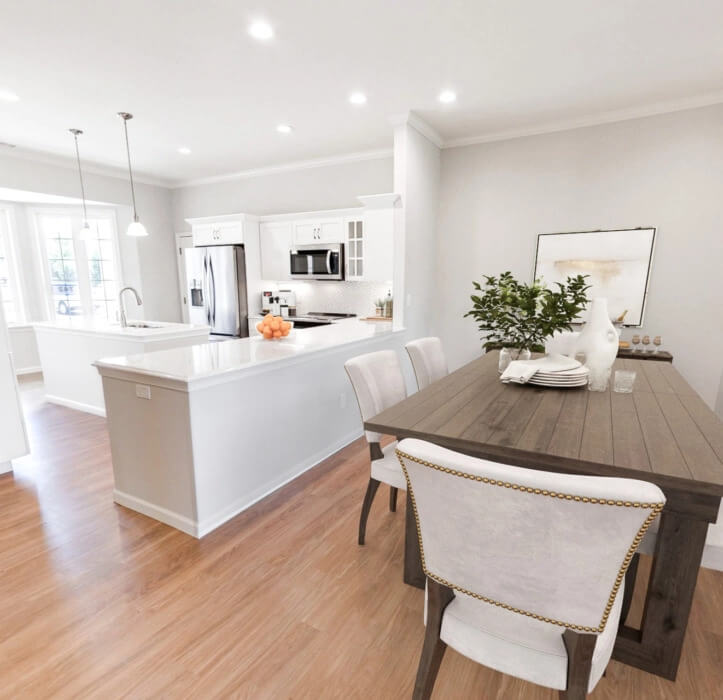
The Erie (2 Bedroom)
- Entrance fee starting at: $386,800
- Monthly fee starting at: $2,751
- Square feet: 1,695 (approx.)
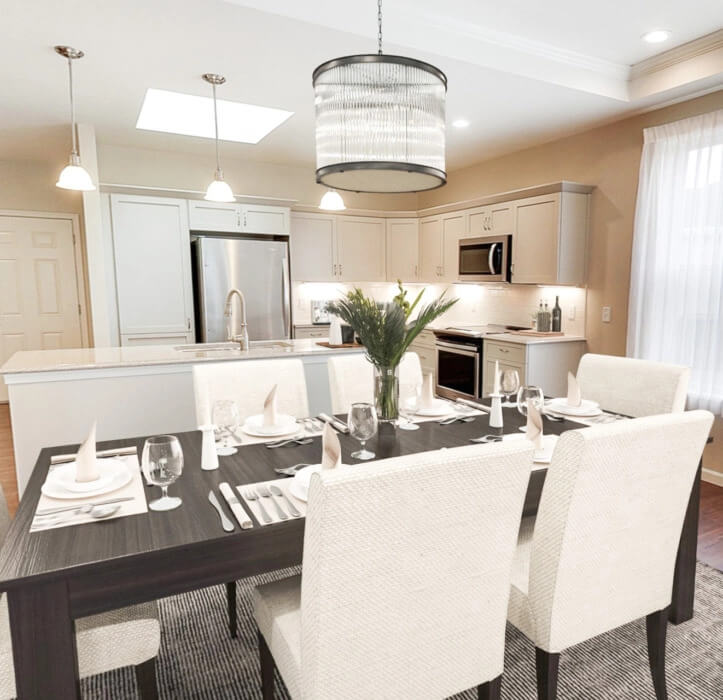
The Fulton (2 Bedroom)
- Entrance fee starting at: $401,100
- Monthly fee starting at: $2,811
- Square feet: 1,749 (approx.)
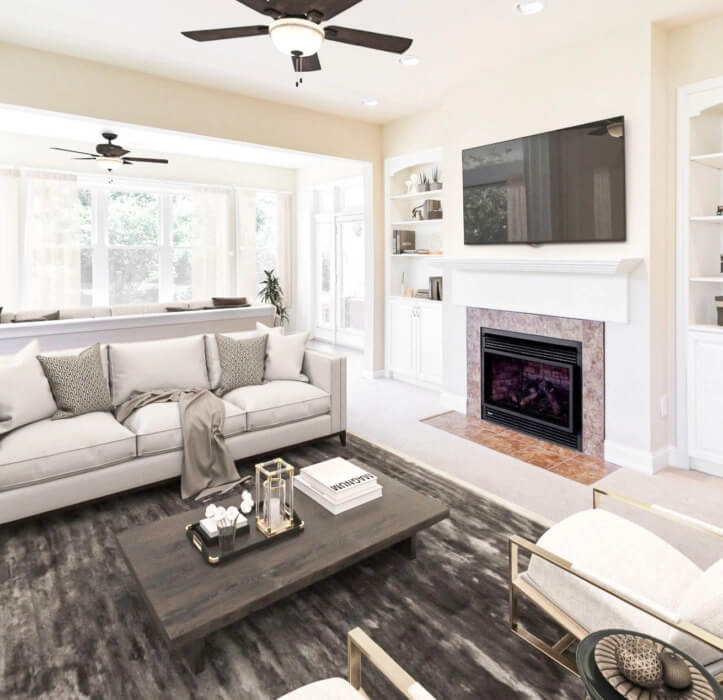
The Bradford (2 Bedroom With a Den)
- Entrance fee starting at: $443,400
- Monthly fee starting at: $3,008
- Square feet: 1,855 (approx.)
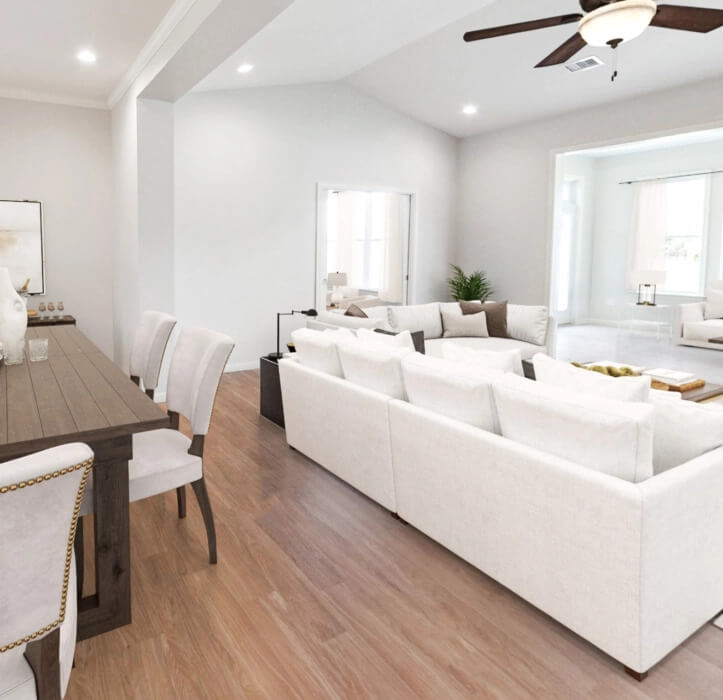
The Jefferson (2 Bedroom)
- Entrance fee starting at: $465,700
- Monthly fee starting at: $2,975
- Square feet: 1,825 (approx.)
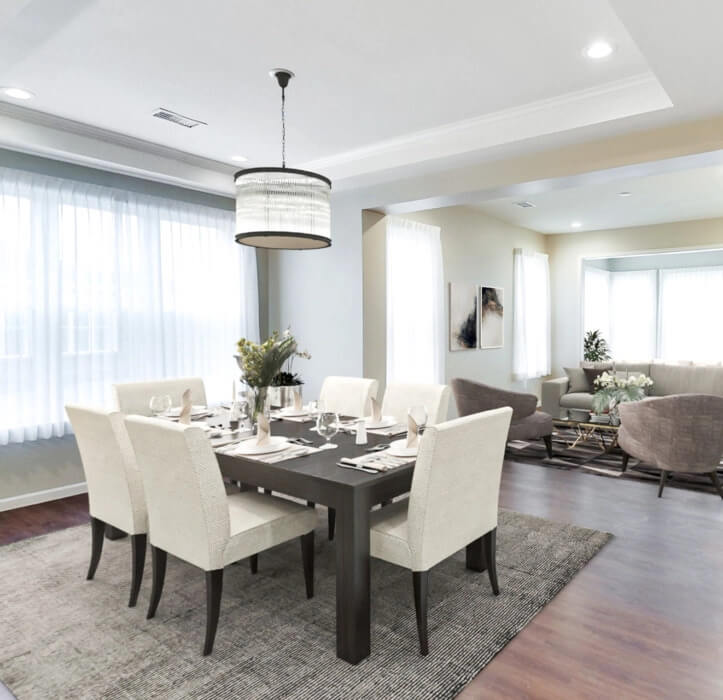
The Cameron (2 Bedroom With a Den)
- Entrance fee starting at: $479,800
- Monthly fee starting at: $3,308
- Square feet: 2,052 (approx.)
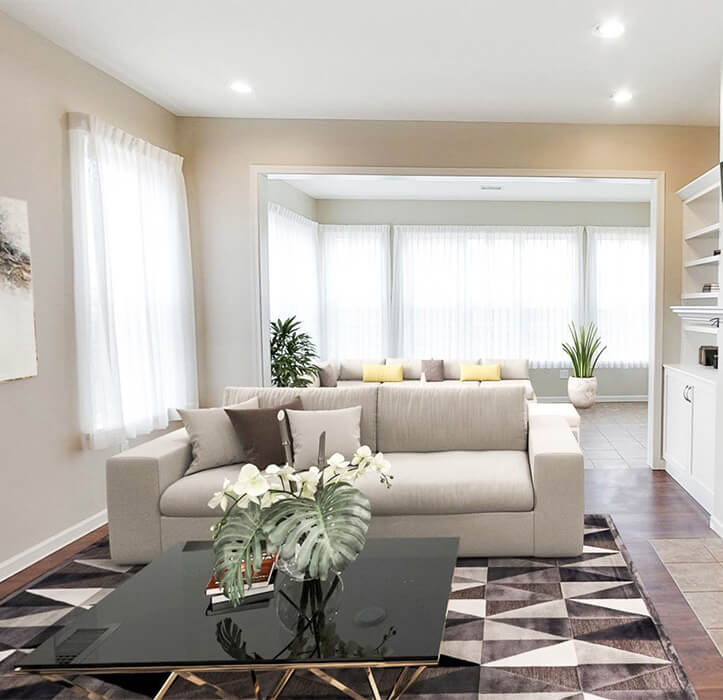
The Lancaster (2 Bedroom With a Den)
- Entrance fee starting at: $534,500
- Monthly fee starting at: $3,511
- Square feet: 2,095 (approx.)
FAQs About the Cost of Retirement Living
The good news: retirement living isn’t one-size-fits-all. Most communities offer a variety of floor plans, contract options, and price points, making it easier to find something that works for you and your budget.
- Savings
- Money from selling your home
- Social Security income
- Other sources of income or investments
Not sure which makes sense for you? We’re here to help you explore your choices and find the plan that best fits your future. Contact us today, or chat with your Senior Living Counselor.
Our Prices At A Glance
Found a floor plan that feels like the perfect fit? Take the next step by viewing our price sheet to explore entrance fees, monthly costs, and refundable options.